PMU Tips For Common Artist Dilemmas
As a permanent makeup artist, you’ll know that no two days in the studio are the same. From emotional clients to challenges to professional boundaries to on-going education around which pigments to use for the best results for each individual client, real-life PMU dilemmas can catch even the most experienced artists off guard.
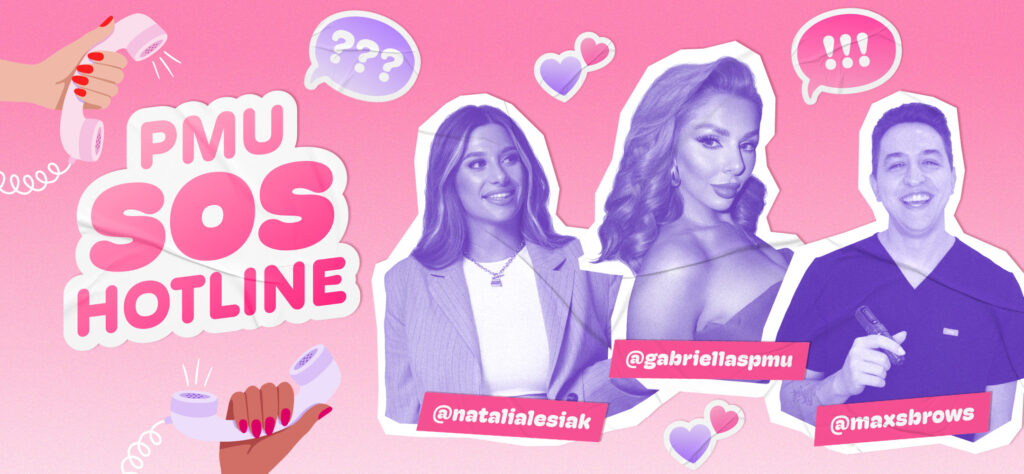
Last year, we hosted a PMU SOS Hotline with Gabrielle Rock, Max Deseta, and Natalia Howells, where artists submitted real questions and received honest, practical PMU tips to help navigate these situations with confidence.
Below, we’ve broken down the most common dilemmas and the expert advice shared.
My Client Cried During A Lip Blush Treatment

Emotional responses during PMU procedures are more common than many artists realise. Pain tolerance, nerves, personal experiences, or even hormones can all play a role. The best approach is keeping communication open during the session so you can regularly check in with your client on their needs. Some other tips include:
- It can be good to check in with your client prior to beginning treatment to see how they’re feeling and where they’re at and letting this guide you through the session.
- Communicate clearly through the process making sure the client knows what’s coming up next so they’re more prepared for each stage of the treatment.
- Offer breaks to help the client feel calm and in control.
- Experiment with different cartridges and machine settings to find what suits your client best. Keep in mind PMU isn’t a one size fits all approach.
- If it’s not a recurring issue and your technique is solid, don’t stress, it’s likely just a one-off with one individual client rather than a wider issue.
Watch the full breakdown of dilemma #1 below!
A Client Booked In With Me And Started Flirting
Maintaining professional boundaries is essential in PMU, and no artist or client should feel uncomfortable or unsafe during a treatment.

More tips include:
- Be aware that flirting could be a tactic to get a discount.
- When taking on new clients, make sure you feel comfortable; safety always comes first.
- It could be beneficial to implement some studio policies to protect you.
It can be difficult to distinguish between friendliness and flirting but you should trust your instincts and if it feels off, it’s okay to make up a polite reason why you’re not the right fit for the treatment.
Find the full breakdown of dilemma #2 below!
How Do I Choose Between An Organic Or Inorganic Pigment?
Choosing the right pigment can feel overwhelming, especially with so many types on the market. Organic, inorganic, and hybrid pigments all have their place in the industry, and the ‘right’ choice often depends on different factors, including your experience level, your client’s skin type, skin tone, and preferences. Beginner artists - focus more on inorganic pigments.

Here are some expert PMU tips from Gabrielle, Max, and Natalia to help simplify the decision:
- The decision will often start with a discussion with your client. Ensure you have options of organic, inorganic or hybrid pigments. Explain the differences to your clients and give them an option to make an informed decision.
- Try not to get too overwhelmed by all the information online. The best research is your own experience of seeing your clients’ healed results.
- If you’re just starting out, lean on other more experienced artists in the industry and ask for their professional opinion. PMU education comes from learning from and supporting each other.
For the full breakdown into dilemma #3, watch the video below!
A Student I Taught Copied My Masterclass?
Teaching and sharing knowledge is a powerful part of the PMU industry, but it can be incredibly disheartening when that trust feels broken. If you suspect a student has copied your masterclass or course content, it’s important to protect your work while responding professionally.

Hopefully these PMU tips will help you navigate the situation:
- Before you take action, be realistic about what has been copied. If it’s your method, such as a specific hand movement or certain technique, consider how different it really is from what’s widely used in the industry.
- If you decide to take action, communication is key. Start with a calm conversation where you express your concerns and open the door for a respectful dialogue between you and the other artist.
- To prevent it from happening again in the future, ensure your courses are copyrighted. Protect your content and hard work from being replicated without credit.
Remember, you’re within your right to speak up if someone’s profiting off your knowledge. It’s okay to hold them accountable as this is your livelihood. However, it’s important that you don’t let it drain you and trust that your authenticity and quality will always set you apart.
For the full breakdown into dilemma #4, watch the video below!
Final PMU Tips for Navigating Difficult Situations
Every PMU artist will face challenging moments, but what matters is how you respond. By staying professional, informed, and confident in your boundaries, you can turn difficult situations into learning experiences.
For more real-world PMU tips, education, and artist support, join the Killer Beauty community on Instagram!