


Not sure which permanent makeup machine is right for you? PMU Device & Co lets you try before you commit, no big upfront investment needed. Here’s how it works!
Read More
Pigments
Pigments FAQ's
What are Pigments?
Pigments are colourants used in permanent makeup treatments to deposit colour into the skin. They come in various shades and formulations, including organic, inorganic, and hybrid. The type of pigment you use will depend on several factors, including your client's skin tone, skin type, and desired results.
What's the Difference Between Perma Blend and Perma Blend LUXE Pigments?
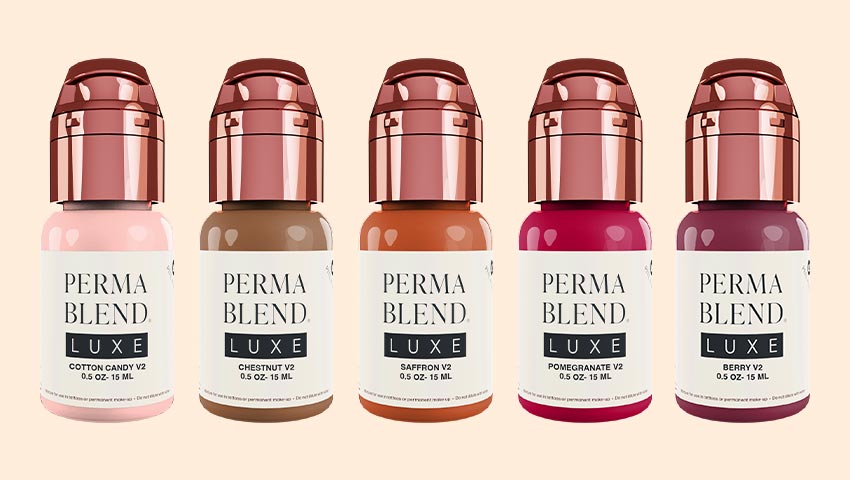
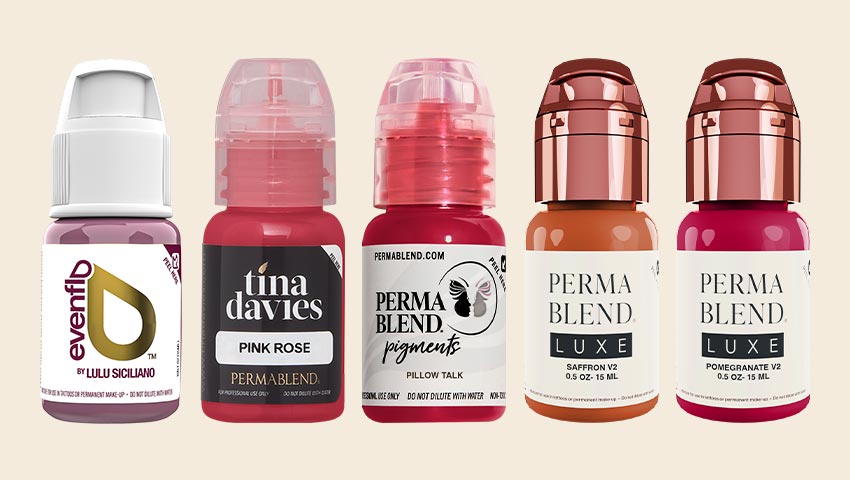
Perma Blend LUXE is the REACH-compliant range of pigments by Perma Blend, known for providing vibrant and long-lasting results.
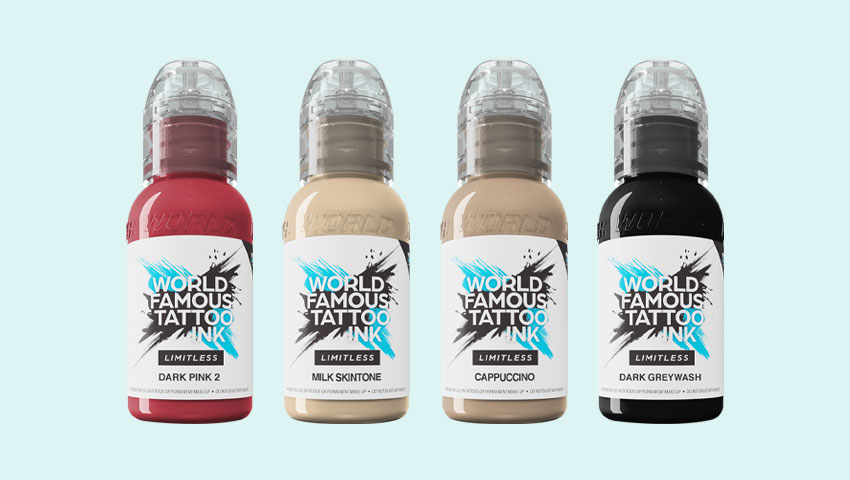
What's the Difference Between World Famous and World Famous Limitless?
World Famous Limitless is the REACH-compliant range of inks from World Famous, known for its vibrancy.
What's the Difference Between Permanent Makeup Pigments and Tattoo Inks?
PMU pigments are formulated to fade more naturally whilst tattoo inks are more concentrated and permanent. You should use pigments specifically designed for permanent makeup treatments to ensure beautiful healed results for clients.
What are Organic PMU Pigments?
Organic-based pigments are made from carbon-based molecules. They have smaller particles and reflect more light so are often used to create long-lasting, bold and more vibrant looks. Perfect for clients who prefer fewer touch ups!
What are Inorganic PMU Pigments?
Inorganic-based pigments are made using ingredients derived from natural minerals, like titanium dioxide and iron oxide. They're more earthy and muted so are often used to create more subtle looks that provide flexibility to change with new PMU trends. Perfect for clients who don't want a long-term commitment to one look!
What are Hybrid PMU Pigments?
Hybrid pigments refer to a blended formulation that include both organic and inorganic ingredients. The combination of both helps encourage a more neutral fading over time. Most pigments on the market today are hybrid and just lean towards being more organic-based or inorganic-based formulas.
What Pigments are Vegan-Friendly?
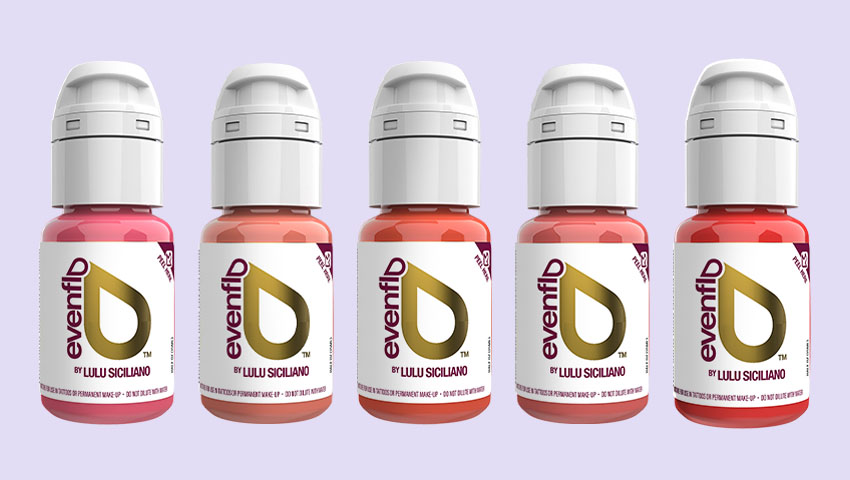
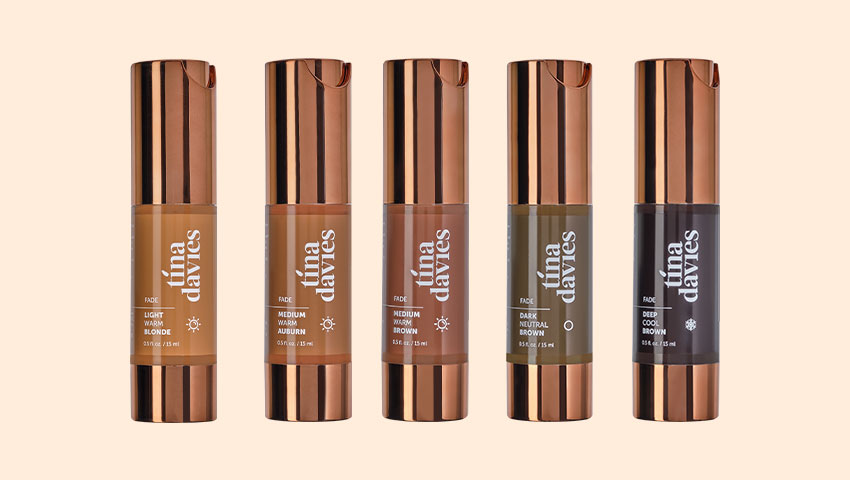
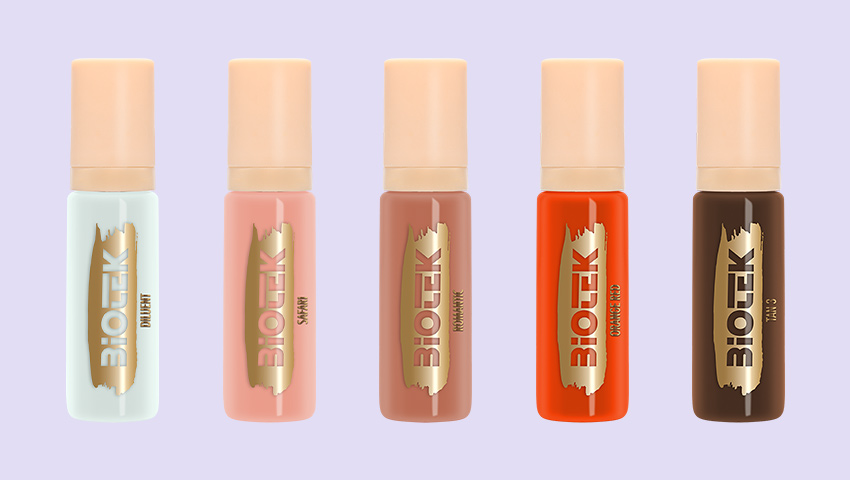
We stock a range of brands that offer vegan-friendly pigments, including Perma Blend LUXE, Evenflo, Tina Davies, and Biotek.
What is Titanium Dioxide?
Titanium dioxide is a white inorganic pigment used to lighten colours and improve opacity in PMU pigments. As it's a highly durable ingredient, it can't be easily removed and caution should be used when using pigments containing Titanium Dioxide.
What is Carbon Black?
Carbon black is an ingredient commonly used in pigment formulations. With a small particle size, it behaves in the same way an organic pigment would, despite actually being inorganic. It increases the overall longevity and vibrancy of a colour but it's important to use pigments containing carbon black carefully as overuse or improper application can lead to a harsh appearance.
How Do I Select the Right PMU Pigment Shade for my Client?
When selecting the best pigment for your client, it's important to consider the client's skin tone, undertone, and desired result. Educating yourself on colour theory can ensure you make an informed choice and provide high-quality results for your client.
Can I Mix Permanent Makeup Pigments?
Some pigments can be mixed across brands or collections, but others can't-always check the manufacturer's guidelines first.
What are the Best Pigments for Permanent Makeup?
The best permanent makeup pigments to use depends on the type of treatment you're carrying out, for example, brows, lips, eyeliner, scalp-micropigmentation, scar camouflage, or areola. Consideration should also be given to the client's skin tone, type, and desired look. Generally, each PMU artist will have their own personal preference regarding brands or specific collections.
Which Pigments are EU REACH-compliant?
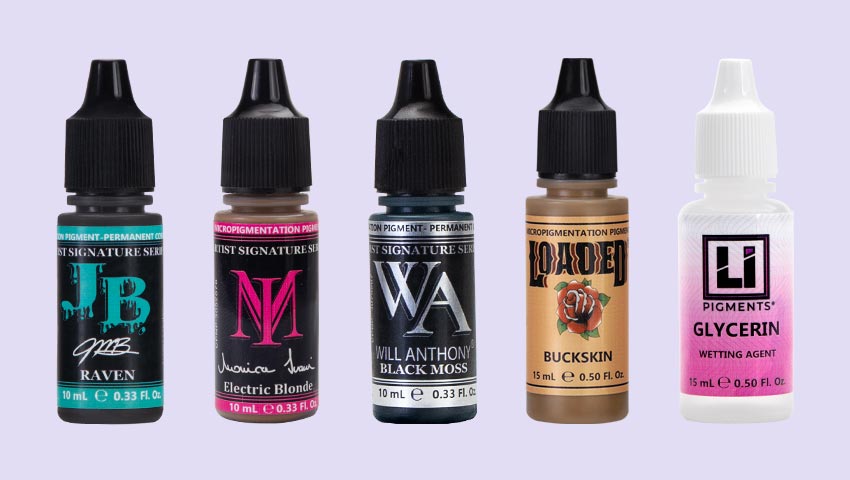
We stock a range of EU REACH-compliant pigments from trusted brands, such as Perma Blend LUXE, Tina Davies FADE, Evenflo Colors and Li Pigments.
What are the Best PMU Pigments for Ombre Brows?
This can depend on your client's skin type, tone and desired results. However, some sets have been specifically designed for Ombre brows, including Paulina Osinkowska's Ombre Brows Set by Perma Blend LUXE.
What Pigments are Best for Areola Treatments?
There are a range of sets that have been created specifically for areola treatments, including the World Famous Limitless Pink Ribbon Set, Vicky Martin's Unstoppable Areola Set, and the Li Pigments X Victoria Felicia 3D Areola Pigment Set.
What are C Numbers?
C numbers (Colour Index numbers) identify specific ingredients used in pigments.
Where Can I Find the Safety Data Sheets (SDS)?
You can find the Safety Data Sheets for Perma Blend LUXE pigments using the Perma Blend SDS Portal: https://inkprojects-sds.thewercs.com/
When using this portal, search by colour name and then click 'View PDF' after selection is made. For any other SDS, these are available upon request when you contact our Killer Beauty customer service team.
Do Permanent Makeup Pigments Contain Nickel?
Most pigments may contain trace amounts of nickel due to mineral content. If you're not sure, you should contact the manufacturer.
How Do You Use Colour Correctors?
You should select the corrector based on the unwanted undertone you're addressing, e.g. orange to neutralise blue/gray or yellow for purple hues. Apply using colour theory principles and adjust ratios based on the level of correction needed.
Where can I find colour charts for pigments?
There are several manufacturers that make the colour charts for pigments available to download on their website. For example, you can download the Perma Blend and Perma Blend LUXE colour chart here: https://permablend.com/pages/color-charts and the Evenflo pigment chart here: https://www.evenflocolours.com/pages/color-density-guides. In some cases, a pigment colour chart may be included with your order, such as the Sculpted x Perma Blend LUXE Embody and Enhance Sets by Carla Ricciardone.
If you need any other information about where to find colour charts for specific sets, you can contact our Killer Beauty customer service team!
Recent Posts
-
![Scar Camouflage Tattoo: Is This the Next Treatment PMU Artists Should Offer?]() News 23.09.2026
Scar Camouflage Tattoo: Is This the Next Treatment PMU Artists Should Offer?
A scar camouflage tattoo uses skin tone pigment to blend scars and stretch marks into the surrounding skin. […]...Read More -
![Lip Blush: How To Perfect Symmetry & Colour Accuracy Every Time]() News 16.09.2026
Lip Blush: How To Perfect Symmetry & Colour Accuracy Every Time
Lip blush is a permanent makeup treatment used to enhance the natural colour and shape of your client’s lips. When you get it right, it can boost your client’s confidence and ensure they come back to you every time.Read More

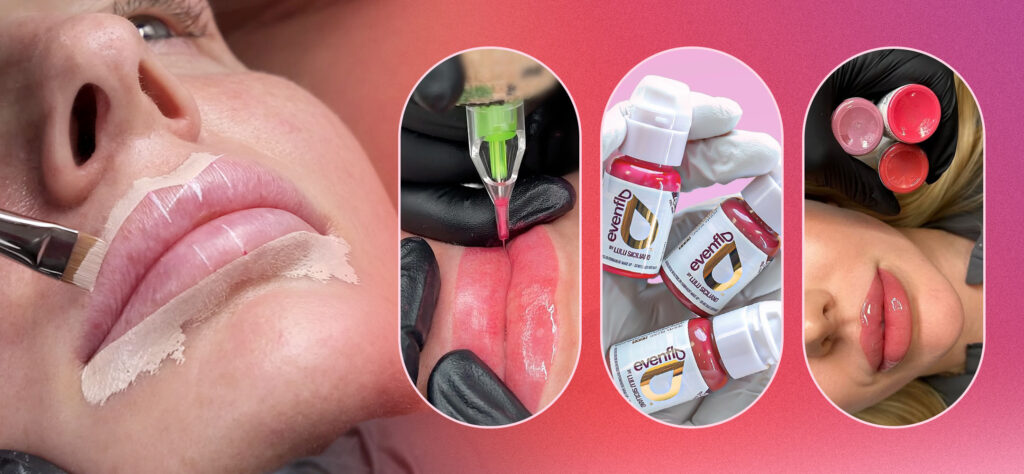
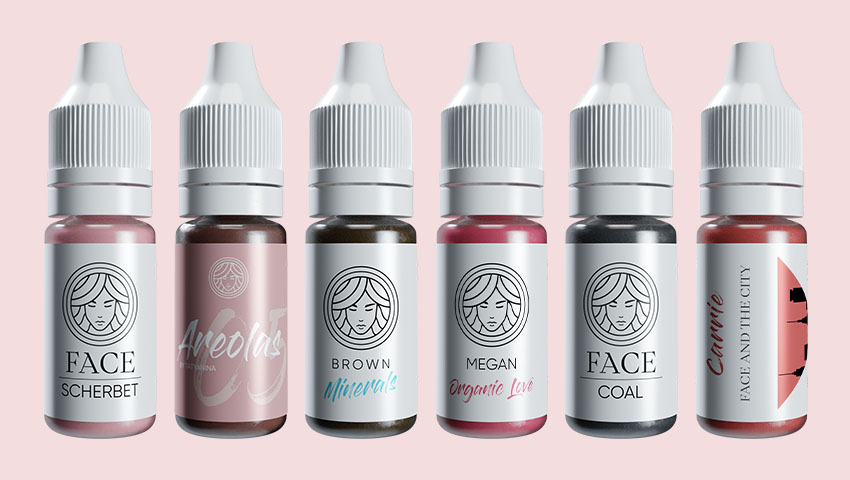
Killer Beauty stocks professional permanent makeup pigments for every treatment, skin tone, and technique. There isn't a one size fits all approach to choosing the best permanent makeup pigment, it depends on your client's skin tone, type, and the healed results they want, as well as artist preference, technique, and skill level. Our range covers inorganic, organic, and hybrid formulations used across lip blush, brows, eyeliner, areola, scar camouflage, scalp micropigmentation, and more. Plus, with options for different skin tones and skin types, there's an option for every artist and client. Explore the full collection of artist-loved brands like Perma Blend, FACE pigments, Ever After, Li Pigments, Evenflo, and World Famous Ink.
Understanding formulation and the specific make-up of a pigment can help ensure you choose the right one based on your client's desired results. Most pigment formulas are hybrid but lean more toward organic or inorganic depending on the ingredients they're made from. Organic-based pigments are made using carbon-based compounds that contain smaller particles to reflect more light. They tend to offer bolder, more saturated colour and require less frequent touch-ups. Inorganic-based pigments are made using mineral-based compounds that contain larger particles to reflect less light. They tend to be more muted, opaque, and offer a more gradual fade, which is usually better for clients who prefer a softer aesthetic. Whilst the specific formula can give an indication of how long a pigment will last in the skin, the exact colourants (CI numbers) in the bottle will help artists predict fading more accurately. For more guidance on formulas and understanding CI numbers, our organic vs inorganic pigments blog has you covered.
Colour theory also plays a part in which pigment is best for your client, because skin tone and undertone can impact how a pigment heals and settles. Our blog on choosing the right pigment for every skin tone gives more detail on colour theory and modifying pigments for each unique client.
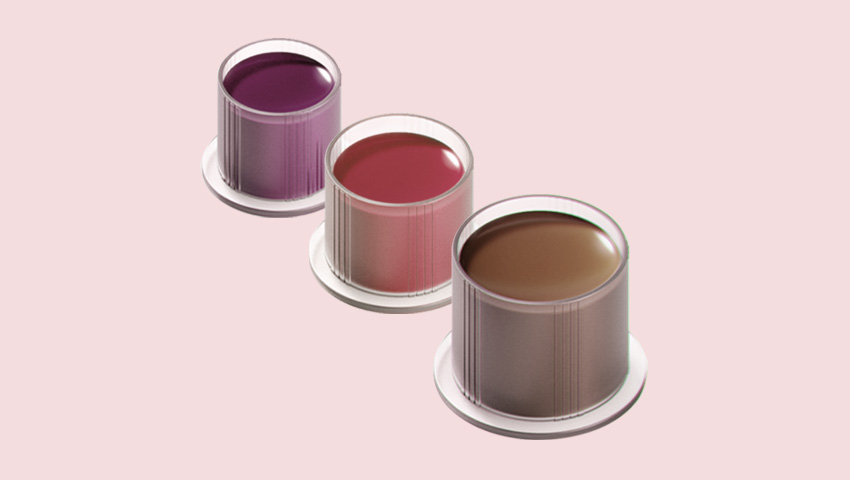
Pair your pigments with our selection of pigment cups and caps to help keep everything organised during a session, or explore our cartridges and machines ranges too, to build a complete PMU setup around the pigments you've chosen.
Not sure which pigments are right for your work? Our guide to the best PMU pigments explores our product range in more detail and what each collection can offer you.